





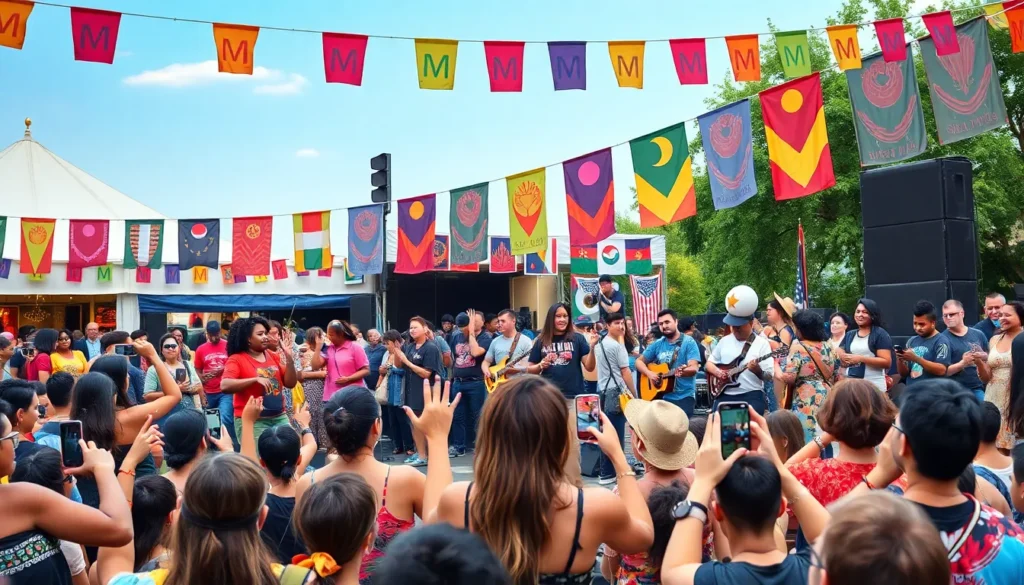
In a world bursting with diverse cultures and sounds, world music offers a rich tapestry of rhythms and melodies that resonate across borders. From the vibrant beats of African drumming to the soulful tunes of Indian classical music, these global sounds tell stories that connect people on a deeper level. As the popularity of world music continues to grow, so does the need for reliable resources that help enthusiasts explore its vast landscape.
Navigating the world of music can be overwhelming, but the right resources can illuminate this journey. Whether it’s online platforms, educational websites, or community events, discovering world music has never been easier. This article delves into the essential resources that can enhance one’s appreciation and understanding of the world’s musical heritage, making it accessible to everyone eager to embark on this auditory adventure.
Understanding World Music Resources
World music resources provide essential tools for exploring diverse musical traditions. These resources help enthusiasts broaden their understanding of global rhythms and melodies, promoting cultural connections.
Online Platforms
- Streaming Services: Platforms like Spotify and Apple Music feature playlists dedicated to world music, offering users access to various genres and artists.
- YouTube Channels: Channels such as NPR Music and World Music Network showcase live performances and music videos, providing visual context for different styles.
- Podcasts: Programs like “Afropop Worldwide” and “The World for Kids” delve into specific regions and cultures, enhancing listener knowledge through interviews and storytelling.
Educational Websites
- Online Courses: Websites like Coursera and edX offer courses on world music, covering topics like musical theory and cultural significance.
- Articles and Blogs: Educational platforms provide articles that feature in-depth analysis of genres, instruments, and music history, aiding research and understanding.
- Interactive Resources: Websites such as Smithsonian Folkways provide interactive experiences with music samples, helping users learn through engagement.
Community Events
- Local Festivals: Events like the World Music Festival Chicago and global gatherings connect musicians and audiences, fostering appreciation for varied musical traditions.
- Workshops: Local cultural centers or music schools often host workshops, allowing participants to learn instruments and dances specific to world music styles.
- Cultural Exchanges: Programs that promote cultural exchange feature international artists performing in different countries, facilitating dialogue and shared experiences through music.
Types of World Music Resources
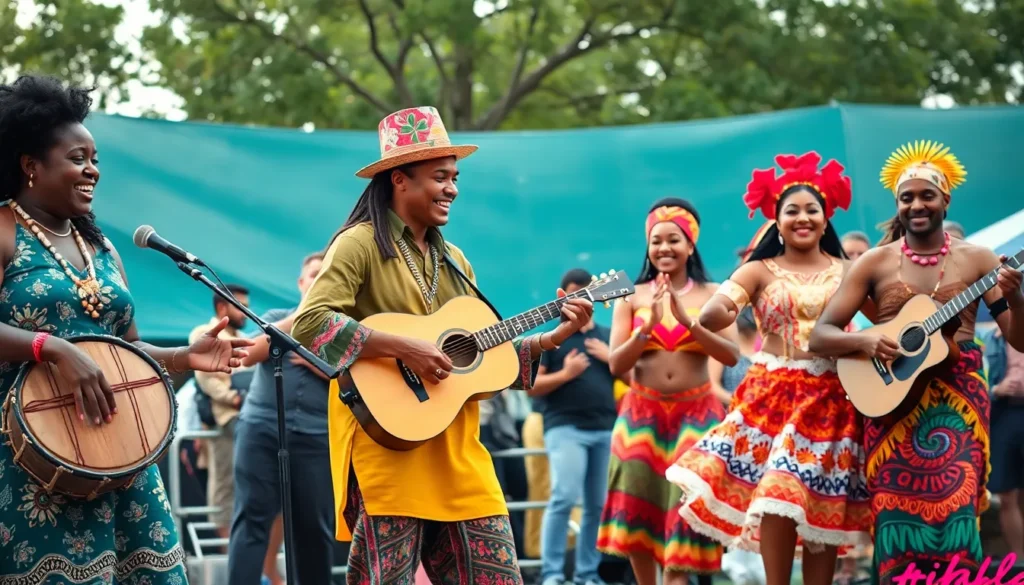
World music resources encompass a variety of formats that cater to diverse interests. These resources provide opportunities to explore cultural richness and musical heritage.
Traditional Music Collections
Traditional music collections serve as archives of regional and historical sounds. They typically include recordings of folk songs, instrumentals, and vocal performances. Collections from organizations like the Library of Congress and UNESCO feature music from various cultures, preserving their unique histories. Museums and cultural institutions often curate exhibitions that highlight these collections, offering listeners firsthand experiences with traditional music. Community-based initiatives also play a role, with local groups preserving and sharing their cultural legacies through music compilations.
Digital Music Platforms
Digital music platforms provide a modern gateway to world music. Services like Spotify, Apple Music, and SoundCloud host extensive libraries of global tracks, making it easy to discover new genres and artists. YouTube channels dedicated to world music offer visual and auditory experiences through music videos and documentaries. Podcasts focusing on world music include interviews with musicians, discussions on cultural context, and exploration of various traditions. These platforms foster an appreciation for world music and facilitate easy access to a vast array of musical styles and cultural narratives.
Educational Institutions and Organizations
Educational institutions and organizations play a crucial role in expanding knowledge about world music. They provide resources through music schools, workshops, and online courses that cater to varied interests and skill levels.
Music Schools and Workshops
Music schools and workshops specialize in teaching diverse musical traditions from around the globe. They often feature programs that focus on specific genres, instruments, or cultures. Notable examples include:
- Berklee College of Music: Offers world music courses covering African, Latin, and Asian music traditions.
- Institute of World Music: Provides immersive workshops that allow students to learn directly from experienced practitioners.
- Community Arts Centers: Host local workshops that connect musicians and learners, promoting cultural exchange and appreciation.
These institutions create opportunities for hands-on experience, enhancing students’ understanding of both the technical and cultural aspects of world music.
Online Courses and Webinars
Online courses and webinars provide accessible education about world music from home. Various platforms offer comprehensive resources, including:
- Coursera: Provides courses like “Exploring Music’s Cultural Roots,” focusing on global musical influences.
- FutureLearn: Hosts webinars and modules about world music traditions, featuring expert discussions and interactive materials.
- Udemy: Offers courses on specific instruments and music styles, catering to different levels of expertise.
These online resources foster a deeper appreciation for world music, connecting learners with global communities and enriching their musical journeys.
Libraries and Archives
Libraries and archives play a vital role in preserving and promoting world music. They provide access to extensive collections that document diverse musical traditions from around the globe.
National and International Libraries
National and international libraries serve as key resources for accessing world music. Organizations such as the Library of Congress, British Library, and the National Library of Australia curate vast collections of audio recordings, sheet music, and manuscripts reflecting diverse cultural heritages. The UNESCO Memory of the World Register also preserves important musical artifacts. Libraries often host special exhibitions, workshops, and research programs that engage the public and scholars alike, making traditional music accessible to all.
Digital Archives and Websites
Digital archives and websites offer comprehensive resources for world music enthusiasts. Notable examples include the Smithsonian Folkways Recordings and Europeana, which provide extensive collections of folk music, oral histories, and cultural documents. Websites like Sound Archive UK and Archive.org house audio files that can be freely accessed, further bridging the gap between historical recordings and contemporary audiences. These platforms enhance global connectivity, allowing users to explore music from various regions, cultures, and eras, while also facilitating research and education in world music studies.
World music resources are invaluable for anyone seeking to delve into the diverse sounds and cultures from around the globe. With the right platforms and educational opportunities, enthusiasts can easily explore a rich tapestry of musical traditions. Whether through streaming services, community events, or educational institutions, there’s a wealth of knowledge and experiences available.
These resources not only foster appreciation for world music but also create connections between people and cultures. By engaging with these tools, individuals can embark on a fulfilling journey that celebrates the beauty and complexity of global musical heritage.