





Regional music serves as a vibrant reflection of cultural identity, capturing the essence of local traditions and stories. From the soulful melodies of Southern blues to the rhythmic beats of Afro-Caribbean calypso, each genre tells a unique tale that resonates with its community. These sounds not only entertain but also preserve history and foster a sense of belonging.
As listeners explore regional music, they uncover the rich tapestry of influences that shape its evolution. Instruments, lyrics, and styles often intertwine, creating a diverse landscape that speaks to the heart of its origin. In a world increasingly dominated by global music trends, regional music stands out as a powerful reminder of the beauty found in local heritage and the importance of keeping these musical traditions alive.
Overview of Regional Music
Regional music serves as a vital expression of cultural identity, encompassing diverse genres that reflect the unique traditions and narratives of specific areas. Genres such as Southern blues and Afro-Caribbean calypso illustrate how music mirrors local histories and social experiences. By incorporating distinct rhythms, instruments, and lyrical themes, regional music preserves community stories while fostering connections among its listeners.
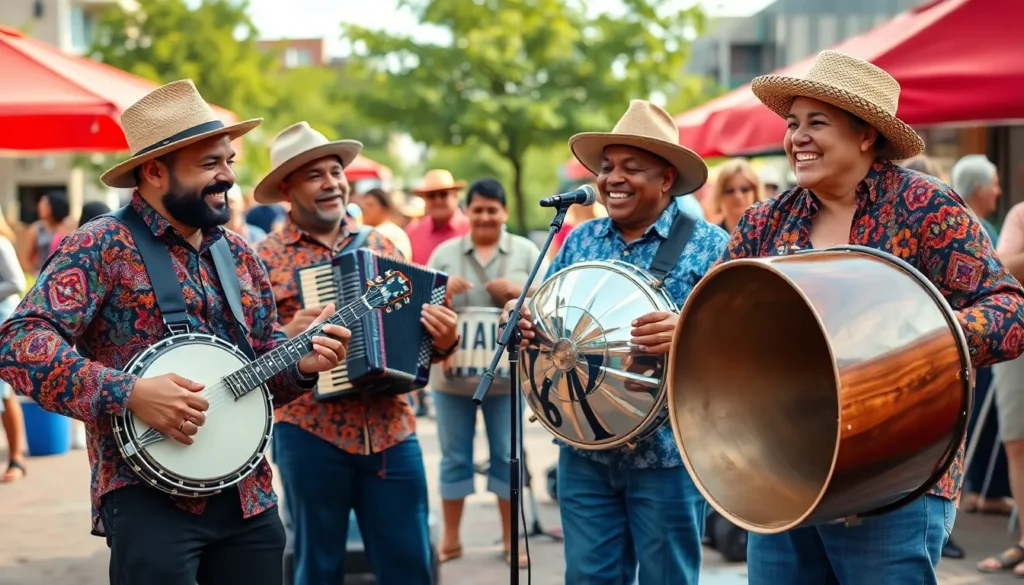
Regional music arises from various influences, blending historical, social, and geographical elements. Instruments commonly found in these genres often include the banjo, accordion, and steel pan, each adding to the music’s distinct sound. The lyrics typically draw upon local folklore, everyday life, and significant events, offering insight into the culture’s values and practices.
In contrast to mainstream global music trends, regional music highlights the importance of cultural heritage. It encourages communities to recognize and maintain their musical traditions in an increasingly homogenized world. Celebrating regional music fosters appreciation for local artistry and strengthens community bonds, making it essential to preserve these dynamic forms of expression.
Characteristics of Regional Music
Regional music possesses unique features that reflect the diverse cultural heritage of different areas. These characteristics stem from a blend of local traditions, instruments, and storytelling.
Cultural Influence
Cultural influences play a crucial role in shaping regional music. Music evolves through interactions among various ethnic groups, traditions, and historical events. For instance, Southern blues showcases African American experiences, while Afro-Caribbean calypso reflects the influence of African, European, and indigenous music forms. Regional music encapsulates local folklore, societal values, and dialects, ensuring that it resonates with community identity. These influences create a rich tapestry of sounds and narratives that connect listeners to their cultural roots.
Instrumentation and Styles
Instrumentation and styles are key elements that define regional music. Each genre utilizes specific instruments that contribute to its distinct sound.
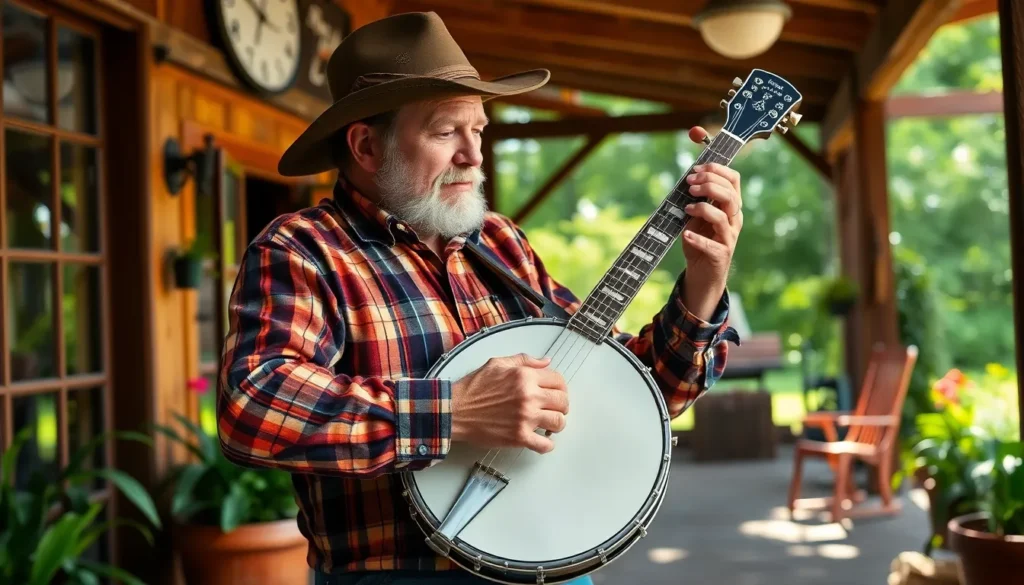
- Banjo: Integral to Southern bluegrass music, offering a bright, rhythmic backdrop.
- Accordion: Frequently featured in Cajun and conjunto music, adding a lively melodic layer.
- Steel pan: Common in Caribbean music, providing a unique melodic sound reflective of island culture.
Styles vary widely, from the soulful improvisation of jazz to the rhythmic complexities of flamenco. Each style incorporates techniques that mirror local traditions and practices, resulting in an authentic musical expression. This diversity in instrumentation and style captures the essence of regional identity, making it essential for cultural preservation.
Prominent Regional Music Genres
Regional music encompasses a variety of genres that reflect local heritage and culture. The following sections detail specific types of regional music: folk, traditional, and contemporary.
Folk Music
Folk music often serves as a narrative tool, conveying stories of local life and beliefs. It typically features acoustic instruments like the guitar, banjo, and fiddle. Lyrics often draw upon local history, myths, and everyday experiences. Notable examples include Appalachian folk, characterized by its storytelling nature, and Mexican folk music, rich in themes of love and hardship. Regional variations exist, showcasing unique melodies and rhythms that highlight locality.
Traditional Music
Traditional music closely aligns with cultural rituals and ceremonies. It often employs distinctive instruments, such as the accordion in Cajun music and the sitar in Indian classical music. This genre embodies cultural practices through structured compositions and performance styles. For instance, Indigenous American music often accompanies dances and celebrations, reflecting spiritual connections to the land. Traditional music persists as a living expression of regional identity, fostering community cohesion.
Contemporary Regional Music
Contemporary regional music integrates modern influences while preserving traditional roots. Often blending various styles, these genres showcase the evolution of regional soundscapes. Examples include Americana, merging elements of folk, country, and rock, and reggaeton, which fuses Latin rhythms with hip-hop influences. This genre appeals to younger audiences and reflects current social themes while drawing upon historical foundations. Artists in this space often strive for authenticity even as they innovate, maintaining a dialogue with their cultural heritage.
The Impact of Technology on Regional Music
Technology significantly influences the evolution and dissemination of regional music, reshaping how artists create, share, and promote their work.
Digital Distribution
Digital distribution revolutionizes access to regional music by enabling artists to upload tracks on streaming platforms like Spotify, Apple Music, and Bandcamp. Artists reach global audiences without relying on traditional record labels. Local musicians showcase their unique sounds alongside mainstream acts, allowing listeners to explore diverse genres. Additionally, platforms often highlight regional playlists, connecting listeners with specific local music scenes. This accessibility enhances exposure, fostering a deeper appreciation for local artistry.
Social Media and Promotion
Social media transforms how regional musicians engage with audiences, allowing for real-time interaction through platforms like Instagram, Facebook, and TikTok. Musicians share promotional content, behind-the-scenes glimpses, and engaging performances that attract followers. Viral challenges featuring regional music create opportunities for exposure, as viewers across demographics participate, amplifying reach. With targeted advertising, artists can promote upcoming shows and releases to specific local communities, strengthening relationships with fans. Such engagement nurtures a vibrant online community, ensuring local music retains its cultural significance in a digital era.
Regional music serves as a vital thread in the fabric of cultural identity. Its ability to reflect local traditions and stories fosters a deep connection within communities. As artists continue to innovate while honoring their roots, the evolution of these genres becomes a testament to resilience and creativity.
The impact of technology on regional music cannot be overstated. Digital platforms provide unprecedented access to diverse sounds and narratives, allowing artists to reach wider audiences. This accessibility not only promotes local artistry but also ensures that the rich history and heritage embedded in these musical forms remain alive for future generations. Embracing and celebrating regional music is essential for preserving the unique expressions that define cultural landscapes.