


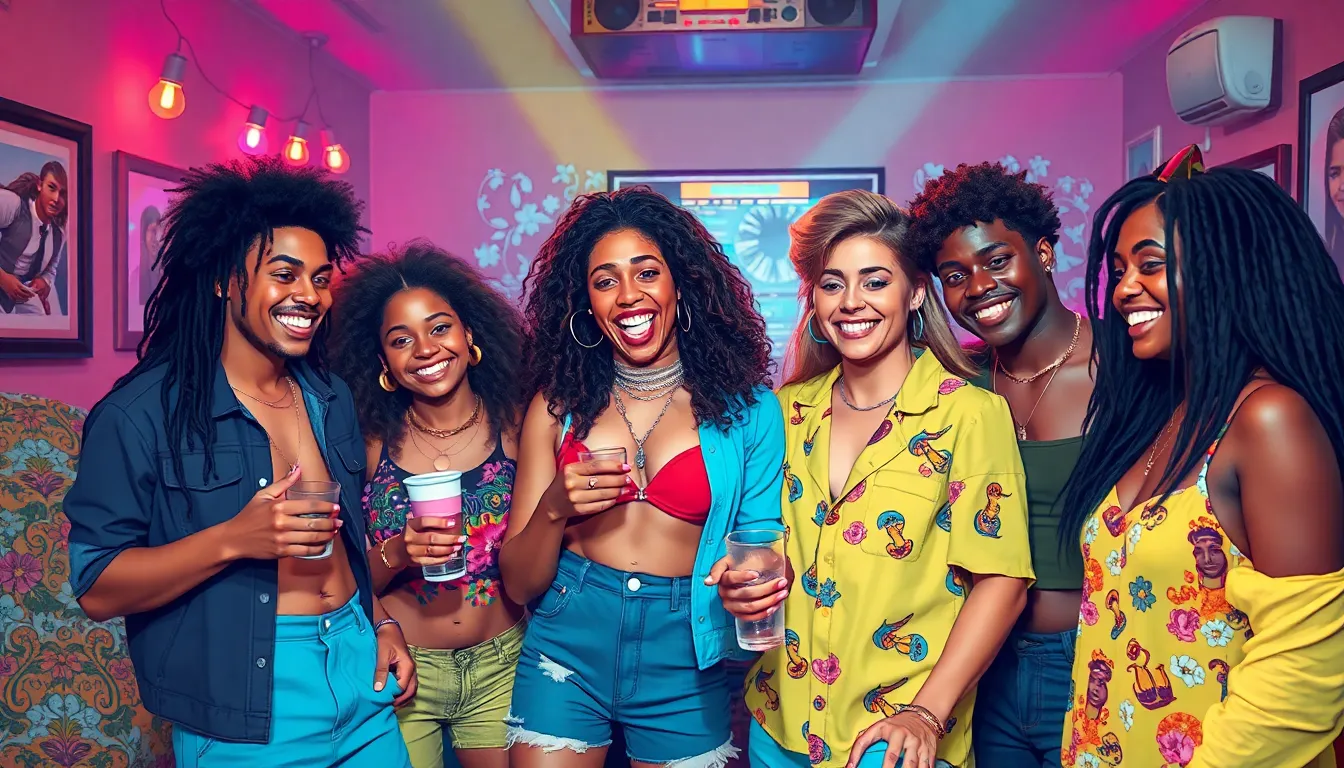




In a world where music transcends borders, world music bands bring diverse cultures together through their vibrant sounds. These groups blend traditional instruments and styles with contemporary influences, creating a rich tapestry of melodies that resonate with audiences everywhere. From the rhythmic beats of Afrobeat to the soulful tunes of folk music, each band tells a unique story that reflects its heritage.
As global connectivity increases, the appreciation for world music has surged, inviting listeners to explore the sounds of different cultures. These bands not only entertain but also educate, fostering a deeper understanding of the world’s musical landscape. Whether performing at local festivals or international stages, they showcase the power of music as a universal language, uniting people from all walks of life.
Overview of World Music Bands
World music bands blend traditional sounds with contemporary influences to form a unique musical experience. These ensembles use a variety of instruments, including drums, strings, and wind instruments, to create diverse melodies.
World music bands include musicians from various cultural backgrounds, contributing to a rich tapestry of sound. For example, the group “Tinariwen” merges traditional Tuareg music with blues elements, while “Buika” incorporates flamenco with jazz and soul. Each band embodies its cultural heritage, showcasing the variety within the world music genre.
The global growth of music streaming platforms has increased accessibility to world music, allowing bands to reach wider audiences. Events like World Music Day celebrate these artists, fostering appreciation for their contributions in promoting cultural diversity.
Through workshops and live performances, world music bands educate audiences about their origins and musical traditions. They emphasize the importance of global unity, showcasing music’s ability to transcend linguistic barriers and enhance cross-cultural understanding.
Influential World Music Bands

World music bands play a significant role in shaping the global music landscape. They offer unique sounds that reflect diverse cultural heritages and contemporary influences.
Band Profiles
- Tinariwen: Originating from Mali, Tinariwen blends traditional Tuareg music with blues. Their hypnotic guitar riffs and socially conscious lyrics reflect the struggles of their homeland. They’ve gained international recognition, performing at major music festivals.
- Buika: Spanish singer Buika fuses flamenco with jazz and soul. Her powerful voice and emotional delivery resonate with audiences worldwide. She collaborates with various musicians across genres, enhancing her global appeal.
- Gogol Bordello: This Ukrainian-American band combines punk rock with gypsy music. Their energetic performances and eclectic style celebrate cultural diversity. They highlight the immigrant experience through their lyrics and musicality.
- The Gipsy Kings: Hailing from France, the Gipsy Kings blend flamenco, pop, and rumba. Their rhythm-driven songs and vibrant performances have made them a household name in world music. They continue to introduce audiences to the beauty of Spanish gypsy culture.
Contributions to Global Music
- Cultural Exchange: They facilitate cultural exchange through collaborations with local artists and participation in global festivals.
- Education: These bands educate audiences about their musical traditions, emphasizing the importance of cultural heritage.
- Innovative Sounds: They create innovative musical fusions, influencing genres like pop, rock, and jazz. Their unique sounds inspire countless artists worldwide.
- Accessibility: Through digital platforms, they make world music accessible, exposing listeners to varied cultural expressions.
- Social Awareness: Many bands address social issues within their music, raising awareness and fostering dialogue among diverse communities.
Genres Represented in World Music
World music encompasses a wide array of genres, reflecting the rich tapestry of global cultures. It features both traditional roots and contemporary fusions that resonate with diverse audiences.
Traditional Roots
Traditional roots capture the essence of cultural heritage and history. Genres such as African drumming, Indian classical music, and Native American flutes represent distinct cultural expressions. Notable bands often preserve ancient practices, utilizing traditional instruments like the sitar, djembe, or berimbau. This commitment to authentic sounds fosters connection and understanding among listeners.
Contemporary Fusions
Contemporary fusions blend traditional elements with modern genres, creating dynamic musical landscapes. Artists often mix styles like reggae, jazz, and hip-hop with world music. For example, Gogol Bordello merges gypsy music with punk rock, while Tinariwen infuses blues with Tuareg rhythms. This genre-bending approach not only attracts a diverse audience but also fosters dialogue around cultural exchange, making world music more accessible and relatable.
Notable Collaborations and Festivals
World music bands frequently engage in collaborations that enhance musical diversity and foster cultural exchange. These partnerships create unique sounds, often blending different genres and styles. For instance, the collaboration between Gogol Bordello and various artists like Fela Kuti’s Africa 70 mixes punk rock energy with Afrobeat rhythms. Another example includes Tinariwen, who often works with Western musicians, merging Tuareg melodies with blues and rock influences.
Festivals dedicated to world music serve as platforms for these collaborations. Events such as the Womad Festival, founded by Peter Gabriel, feature artists from around the globe, celebrating cultural diversity through music. Similarly, the Celtic Connections Festival in Glasgow highlights the fusion of traditional Celtic music with diverse global sounds, showcasing both established and emerging artists.
Numerous festivals focus specifically on world music, promoting artistic exchange. The Rugby World Music Festival combines sporting events with musical performances, attracting diverse audiences. The Global Citizen Festival emphasizes social issues through music, gathering artists from various genres to advocate for change worldwide.
These alliances and festivals not only celebrate the richness of cultural heritage but also foster a greater understanding of global issues. Through collaborative performances, world music bands engage audiences, bridging gaps between different cultures and creating a sense of unity.
World music bands play a vital role in uniting cultures through their innovative sounds and rich traditions. By blending diverse musical elements they create a unique experience that resonates with audiences around the globe. As these bands continue to gain recognition the appreciation for their artistry and cultural significance only grows.
Through their performances and collaborations they foster dialogue and inspire a deeper understanding of global diversity. The ability of world music to transcend barriers underscores its importance in today’s interconnected world. As listeners explore these vibrant sounds they not only enjoy music but also participate in a cultural exchange that enriches their lives.