





When it comes to music genres, few are as smooth and soulful as R&B. But what does R&B actually stand for? Many might think it’s just a fancy term for slow jams and heart-wrenching ballads, but there’s more to the story. This genre has roots that dig deep into the fabric of American music, blending rhythm with blues to create an irresistible sound that gets everyone swaying.
Understanding R and B
R&B reflects a rich tapestry of American musical history, showcasing a blend of rhythm and blues that captivates audiences. This genre has long been influential, evolving through various styles and cultural moments.
Historical Background
R&B originated in the 1940s, emerging from the blues, jazz, and gospel traditions of African American singers and musicians. Artists like Ray Charles and Ruth Brown paved the way, combining emotional depth with rhythm-driven melodies. The term “rhythm and blues” first appeared in print in 1947, giving the genre its distinct identity. Over the decades, R&B became a significant force in popular music, influencing a wide array of artists and genres.
Evolution of the Genre
R&B experienced significant transformations in the 1960s and 1970s, paralleling the civil rights movement and social changes. Soul music emerged during this time, with figures like Aretha Franklin and Marvin Gaye transcending traditional boundaries. The late 1980s introduced new jack swing, fusing R&B with hip hop elements, resulting in a fresh sound that broadened R&B’s appeal. Recent years have seen the rise of contemporary R&B artists who incorporate electronic, hip hop, and pop influences, further demonstrating the genre’s versatility.
Distinguishing Characteristics
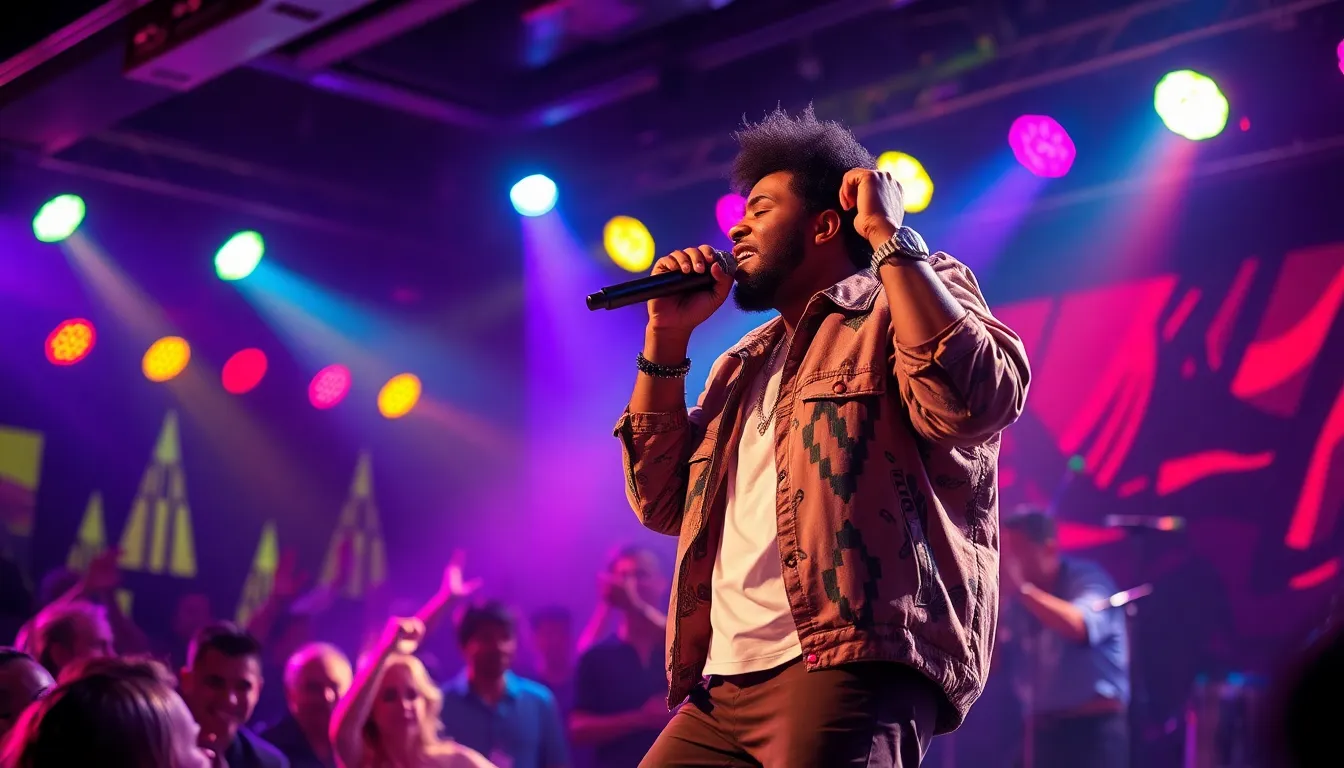
R&B showcases unique musical and lyrical features that set it apart from other genres.
Musical Elements
Rhythm plays a defining role in R&B. Syncopated beats and strong bass lines create a rich texture, while smooth vocal performances often emphasize emotion. Instrumentation varies but commonly includes drums, keyboards, and guitars, allowing for flexibility in sound. Harmonies enrich the music, lending an expressive quality. Sampling from other genres such as hip hop and pop enhances contemporary R&B, resulting in diverse musical experiences. Artists frequently blend traditional elements with modern influences, ensuring the genre remains relevant in today’s music landscape.
Lyrical Themes
Love serves as a primary theme in R&B lyrics. Emotional honesty often resonates, capturing the complexities of relationships. Artists use storytelling to convey personal narratives, drawing listeners into their experiences. Heartbreak and longing frequently appear, reminding audiences of universal feelings. Social and political issues also find their way into lyrics, reflecting the genre’s roots in the African American experience. Listeners often connect with these themes, making R&B relatable and impactful. Each song becomes a vessel for emotional expression, underscoring the genre’s lasting appeal.
Influential Artists in R and B
R&B thrives on the legacy of its influential artists, whose contributions shaped the genre’s evolution.
Classic R and B Icons
Ray Charles stands as a pivotal figure in R&B history. His fusion of gospel, blues, and jazz defined the sound of rhythm and blues. Ruth Brown played a crucial role, earning the title of “Miss Rhythm” with her powerful vocals and emotive performances. Sam Cooke emerged as a trailblazer, blending soulful melodies with socially conscious lyrics. These artists laid the foundation for future generations, creating a rich tapestry of musical influence that inspires countless R&B artists today.
Modern R and B Stars
Contemporary R&B showcases new talent that continues to push musical boundaries. H.E.R. captivates audiences with her soulful voice and skillful instrumentation, bridging traditional and modern influences. Khalid garners attention for blending pop with R&B, creating relatable themes in his music. SZA’s unique style combines elements of hip hop and alternative, resonating well with younger listeners. These artists reflect the genre’s evolution while maintaining its emotional depth and lyrical honesty, illustrating R&B’s ongoing significance in today’s music scene.
Cultural Impact of R and B
R&B significantly shaped American culture and music, influencing various genres and movements. Over the decades, this genre became a powerful voice for social change, particularly during the civil rights movement. Artists like Marvin Gaye used their platforms to address pressing societal issues, merging personal stories with broader themes of justice and equality.
Classic rhythms and emotive melodies captured hearts, allowing R&B to transcend cultural and racial barriers. The genre fostered connections among diverse audiences, showcasing African American experiences and artistry. It also paved the way for disco and funk in the 1970s, demonstrating its ability to adapt while retaining core elements.
An array of contemporary R&B artists continues this legacy of influence. Stars such as H.E.R. and Khalid incorporate modern sounds and genres, including hip hop and electronic music. Their work not only highlights the evolution of R&B but also keeps the genre relevant to younger generations.
R&B’s lyrical themes resonate widely. Love, heartbreak, and empowerment often emerge, providing listeners with relatability and solace. These narratives reflect personal experiences, bridging gaps between singer and audience.
The genre’s fusion with hip hop in the late 1980s further expanded its reach. New jack swing introduced a rhythmic blend that captivated fans and influenced future artists. This collaboration emphasized R&B’s versatility and enduring appeal.
R&B’s cultural impact remains profound. Groundbreaking artists and their music continuously shape societal conversations and inspire new generations, ensuring the genre’s relevance in the ever-evolving musical landscape.