





The world music scene is bursting with fresh talent, showcasing diverse sounds that transcend borders and cultures. Emerging artists are blending traditional rhythms with modern influences, creating unique musical experiences that resonate with listeners globally. These musicians are not just redefining genres; they’re also bringing their cultural narratives to the forefront, enriching the global music tapestry.
As technology connects audiences like never before, these rising stars are gaining visibility and recognition on platforms that celebrate their artistry. From vibrant Afrobeat to soulful Latin rhythms, the new wave of world music artists is captivating hearts and ears everywhere. Discovering their stories and sounds offers a glimpse into the rich cultural heritage they represent, making it an exciting time for music lovers to explore what’s next in the world music landscape.
Overview of Emerging World Music Artists
Emerging world music artists contribute significantly to the global music landscape by integrating traditional rhythms with contemporary elements. These musicians redefine genres, enriching cultural narratives while appealing to diverse audiences. Their innovative sounds, like Afrobeat and Latin rhythms, draw inspiration from multiple cultural backgrounds, showcasing rich heritage.
Many of these artists utilize technology to enhance visibility and reach broader audiences. Platforms like Spotify, YouTube, and social media enable them to share their music and connect with fans globally. This digital exposure fosters a community of listeners eager to explore new sounds and stories.
The rise of world music artists highlights the importance of cultural exchange and representation in the music industry. Their unique approaches bridge gaps between cultures, offering listeners fresh perspectives on familiar sounds. As these artists gain recognition, their contributions pave the way for a more inclusive and vibrant music scene.
Notable Regions for Emerging Talent
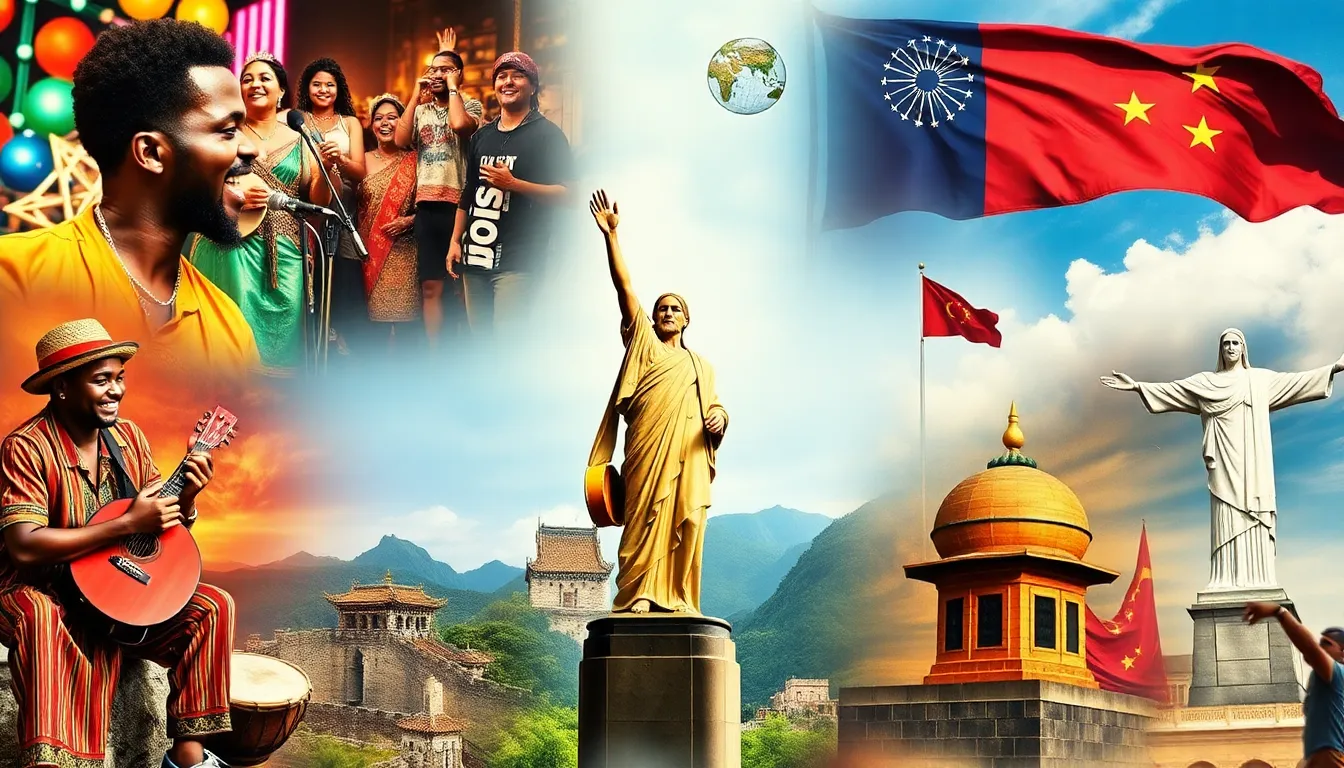
Emerging world music artists are making significant impacts across various regions, each contributing unique sounds and cultural perspectives. The following sections highlight key areas rich in musical innovation.
Africa
Africa stands out as a powerhouse of musical diversity, showcasing talents that fuse traditional and contemporary styles. Notable artists often draw from genres such as Afrobeat, Highlife, and Soukous. Countries like Nigeria and Ghana lead in shaping contemporary African music, with artists like Burna Boy and Wizkid gaining international acclaim. Local festivals and digital platforms promote these musicians, enabling them to reach global audiences and attract collaborations that further blend their traditional roots with modern influences.
Latin America
Latin America serves as a vibrant hub for emerging musical talent, blending indigenous sounds with modern genres. Artists from this region are revitalizing traditional forms like Salsa, Bossa Nova, and Reggaeton while incorporating hip-hop and electronic music elements. Countries such as Colombia and Brazil are pivotal in this evolution, with artists like Rosalía and J Balvin gaining recognition beyond their borders. The growth of streaming platforms aids in showcasing these creative expressions, allowing regional artists to accumulate international followings and redefine Latin music’s global impact.
Asia
Asia’s music scene showcases a rich tapestry of sounds, where artists are combining traditional music with contemporary influences. Countries like India and South Korea are at the forefront, producing genres like K-pop and fusion styles that incorporate classical elements. Emerging artists such as A. R. Rahman in India and BTS from South Korea inspire millions worldwide. The role of social media and streaming services enables these artists to share their cultural narratives globally, fostering a deeper appreciation for the diverse sonic landscapes that Asia offers.
Genres Influenced by Emerging Artists
Emerging world music artists significantly shape genres by blending traditional sounds with modern influences. These innovative approaches create a rich tapestry of music that resonates with global audiences.
Fusion of Traditional and Modern Sounds
Fusion generates fresh musical experiences that often blend various cultural elements. Artists like Burna Boy and Rosalía fuse traditional rhythms with genres such as Afrobeat and flamenco, respectively. This crossover enhances artistic expression and attracts diverse listeners. The integration of instruments, like the use of the djembe in contemporary pop, exemplifies how genres evolve through cross-cultural influences. Many emerging artists honor their roots while exploring new creative avenues, resulting in sounds that are both familiar and novel.
The Role of Technology in Music Creation
Technology plays a critical role in the evolution of musical genres. Digital tools enable artists to experiment with soundscapes, helping them create unique compositions. Platforms like Spotify and YouTube amplify their reach, allowing emerging musicians to connect with audiences worldwide. Audio software and online collaborations facilitate production, leading to diverse sounds that continue to reshape genres. With the increasing accessibility of music production tools, anyone can contribute to the global music landscape, driving innovation and change.
Prominent Emerging World Music Artists
Several emerging world music artists are reshaping the music landscape, drawing from their cultural heritages while blending in modern influences. These artists continue to gain attention globally, creating a dynamic shift in the industry.
Artist Spotlight: Background and Discography
- Burna Boy: Burna Boy, a Nigerian artist, emerged from the Afro-fusion genre, combining Afrobeat, dancehall, and reggae. His discography includes critically acclaimed albums like “African Giant” and “Twice as Tall,” showcasing a rich narrative about African identity.
- Rosalía: Rosalía, a Spanish singer, revolutionizes Flamenco by infusing it with pop and hip-hop elements. Her album “El Mal Querer” highlighted her innovative approach, characterized by intricate soundscapes and powerful storytelling.
- A. R. Rahman: A. R. Rahman, an Indian composer and musician, blends classical Indian music with electronic and orchestral elements. His contributions span numerous soundtracks, including “Slumdog Millionaire,” which earned him two Academy Awards.
- BTS: BTS, a South Korean boy band, integrates K-pop with various genres, from hip-hop to rock. With albums like “Map of the Soul: 7,” they’ve achieved international acclaim, breaking global music records and promoting cultural exchange.
- Wizkid: Wizkid, another Nigerian artist, blends Afrobeat with elements of R&B and pop. His collaboration with international artists, such as Drake, on “One Dance” exemplifies how he bridges cultural gaps, making Afrobeat more accessible worldwide.
Impact on Global Music Scene
Emerging world music artists significantly impact the global music scene by introducing diverse sounds and narratives. Their fusion of traditional and modern techniques enriches musical genres, captivating broader audiences.
- Cultural Representation: These artists showcase their unique cultures, helping listeners appreciate diverse heritages. By blending storytelling with sound, they foster a deeper understanding of their backgrounds.
- Genre Innovation: Emerging artists continuously redefine existing genres, creating sub-genres that resonate with global audiences. This innovation drives musical evolution and encourages other artists to experiment.
- Digital Platforms: Streaming services like Spotify and YouTube facilitate worldwide reach, enabling emerging artists to share their work with diverse listeners. This accessibility promotes a global community exploring new music styles.
- Collaborations: Increased collaborations across borders amplify the impact of these artists. Working together, they merge different musical elements, enhancing creativity and introducing novel sounds.
- Cultural Exchange: Emerging world music artists contribute to a richer landscape of cultural exchange, bridging gaps between different communities and inviting collaboration to foster musical growth and understanding.
Challenges Faced by Emerging Artists
Emerging world music artists experience several challenges that can hinder their growth and visibility in the industry. Two major obstacles include cultural barriers and financial constraints.
Cultural Barriers
Cultural barriers impact the ability of emerging artists to connect with broader audiences. Many musicians represent diverse backgrounds, and misunderstandings can arise due to different cultural norms, languages, or practices. For instance, artists blending indigenous sounds with contemporary music can face resistance from traditionalists who prefer authenticity over fusion. Additionally, language differences often limit an artist’s reach, making it difficult to communicate their narratives effectively. Promotion strategies that resonate with diverse cultures are essential to overcoming these barriers.
Financial Constraints
Financial constraints significantly hinder the progress of emerging artists. Limited access to funding affects opportunities for high-quality production, marketing, and promotional efforts. Many musicians rely on independent resources and crowdfunding platforms to finance their projects. With costs skyrocketing for music production and distribution, navigating financial challenges becomes crucial for success. Reaching audiences requires investment in promotional activities on platforms like social media or streaming services. This financial pressure can divert focus from creativity to survival, complicating the journey for many emerging talents.
The rise of emerging world music artists is reshaping the global music landscape. By blending traditional rhythms with modern influences, these musicians are telling their unique stories and connecting with audiences worldwide. Their innovative approaches not only enhance cultural representation but also foster a sense of community among diverse listeners.
As they navigate challenges like cultural barriers and financial constraints, the support of digital platforms and effective promotion strategies will be crucial for their success. The future of music is bright with these artists at the forefront, inviting everyone to explore the rich tapestry of sounds and narratives they offer.