







In a world where playlists can make or break a party, the right music supply is essential. Imagine a gathering where the tunes flow like fine wine, and your guests are dancing like nobody’s watching. That’s the magic of world music supply. It’s not just about filling the air with sound; it’s about creating an unforgettable experience that transports listeners across continents.
Overview of World Music Supply
World music supply plays a crucial role in creating vibrant atmospheres for social gatherings. It encompasses a diverse array of musical traditions from various cultures, including African rhythms, Latin beats, and Asian melodies. Access to this rich variety allows event planners to select tunes that resonate with their guests’ preferences.
Listeners often find that world music transcends geographical boundaries, bringing people together through shared experiences. Different genres like reggae, flamenco, and Indian classical music each offer unique sounds that can enhance the mood of any event. Many hosts choose world music supply to provide a fresh alternative to mainstream playlists.
This diversity not only enriches the auditory experience but also encourages cultural exchange. By showcasing artists from around the globe, world music fosters appreciation for different heritages and traditions. Guests at events may discover new favorites while embracing the journey through various musical landscapes.
Selecting tracks from a world music supply can elevate celebrations, ensuring guests engage in lively interactions. DJs and event organizers benefit from the extensive catalog of songs available, which caters to various tastes and preferences. Many options are accessible through online platforms, making it easier to curate playlists that suit specific themes or occasions.
Ultimately, incorporating world music into events enhances enjoyment and creates memorable experiences for attendees. With a thoughtful selection, hosts can aid in transforming any gathering into a festive celebration full of joy and cultural vibrancy.
Key Elements of World Music Supply
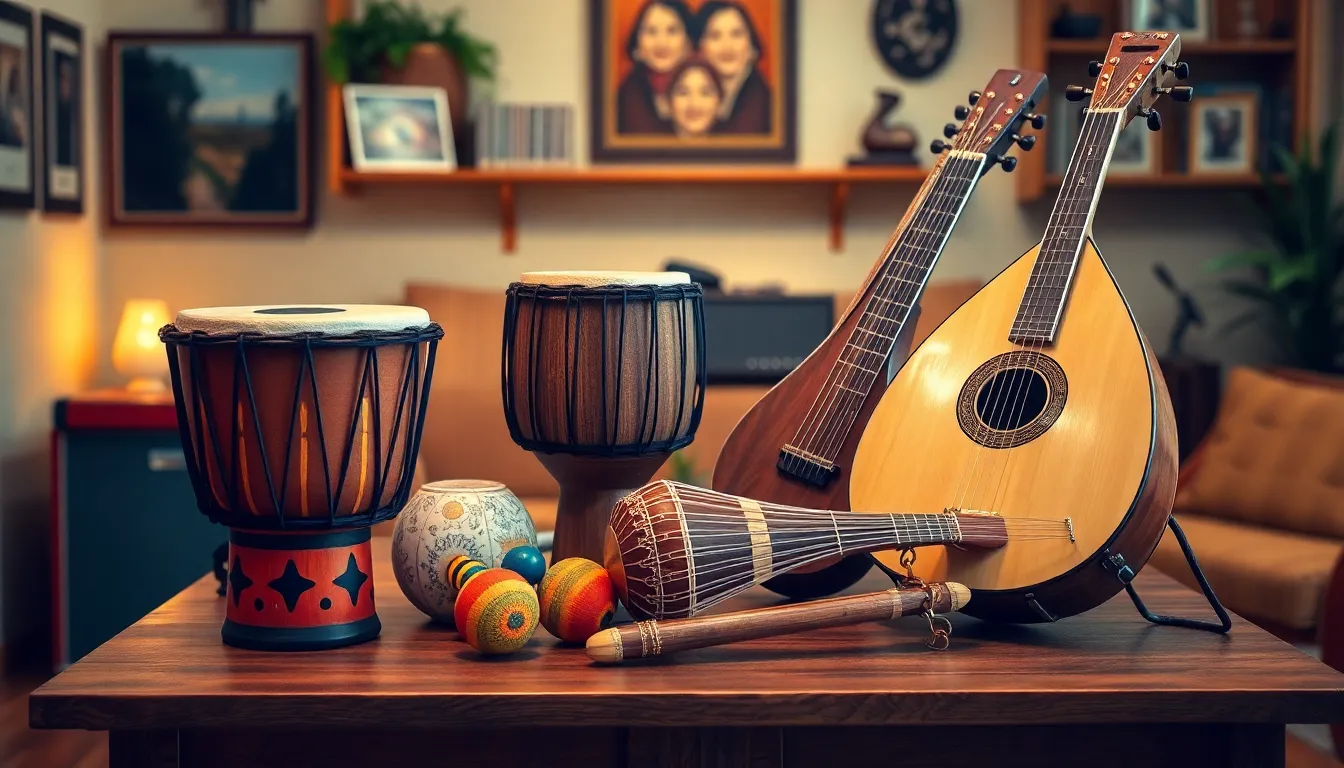
World music supply encompasses various elements that contribute to its richness and appeal. This section delves into the instruments from different cultures and the channels through which music is distributed.
Instruments from Different Cultures
Instruments reflect the essence of cultural traditions across the globe. African drums, like djembe and dundun, provide rhythmic foundation in many events. Latin American maracas add vibrant accents that enliven the atmosphere. Stringed instruments, such as the sitar from India or the oud from the Middle East, create unique melodies intertwining with other musical elements. Each instrument offers distinct sounds that elevate social gatherings and resonate with diverse audiences. The use of traditional instruments enables event planners to craft authentic experiences that celebrate cultural diversity.
Distribution Channels
Various distribution channels enable the reach of world music to wider audiences. Digital platforms like Spotify and Apple Music feature extensive world music catalogs, allowing listeners to explore diverse genres. Social media plays a crucial role in promoting artists and their music, creating opportunities for viral trends. Additionally, music festivals and cultural events serve as venues for artists to showcase their talents and connect with enthusiasts. This multi-faceted availability makes it simple for DJs and event organizers to access and curate playlists tailored to specific themes or occasions. Ultimately, these channels ensure that world music remains accessible and relevant in a fast-paced, globalized world.
The Impact of Technology on World Music Supply
Technology plays a crucial role in the evolution and accessibility of world music supply. It transforms how artists reach audiences and how listeners discover new sounds from different cultures.
Streaming Platforms and Distribution
Streaming platforms like Spotify and Apple Music revolutionize access to world music. These services feature extensive catalogs that highlight diverse genres, enabling users to explore various musical traditions easily. With searchable databases, users can discover artists they might not find elsewhere. Curated playlists often showcase world music, introducing listeners to unfamiliar rhythms and melodies. Innovative algorithms recommend songs, further enriching the user’s experience. By removing barriers to entry, these platforms ensure that world music remains influential in contemporary culture.
Social Media and Promotion
Social media amplifies the reach of world music artists. Platforms such as Instagram, TikTok, and Facebook allow musicians to connect with fans directly and share their stories. Viral trends can spotlight specific genres or songs, attracting global attention. Musicians often collaborate online, creating cross-cultural connections that expand their audiences. This interaction encourages the spread of diverse music styles while fostering a sense of community among fans. Influencers and content creators frequently use world music in their posts, promoting these vibrant sounds to wider demographics.
Challenges in the World Music Supply Chain
Challenges impact the world music supply chain significantly, affecting both artists and audiences alike.
Cultural Appropriation Concerns
Cultural appropriation raises significant issues for world music supply. Artists from different backgrounds often face scrutiny when incorporating elements from cultures not their own. Such practices can result in misunderstandings and claims of disrespect. Conversations surrounding authenticity and ownership of musical traditions continue to evolve. They highlight the importance of educating audiences about the origins of various sounds. Music distributors and event planners have a responsibility to ensure respectful representation. Engaging with cultural representatives directly can help promote genuine appreciation rather than exploitation.
Economic Barriers for Artists
Economic conditions create obstacles for many world music artists. Financial constraints often limit access to resources that could enhance visibility and distribution. Independent musicians struggle to find funding for recording sessions and marketing efforts. High competition within the global music market makes it difficult for emerging artists to gain recognition. Limited participation in large festivals and events can hinder exposure. Furthermore, streaming platforms, while beneficial, may only provide minimal compensation for plays. Addressing these economic challenges is crucial to creating a more equitable landscape for all artists in the world music supply chain.
World music supply plays a vital role in shaping memorable experiences at social gatherings. Its diverse range of sounds and cultural influences enriches the atmosphere and fosters connections among guests. As technology continues to evolve, access to these unique musical traditions becomes easier, allowing event planners and music lovers alike to explore and celebrate global sounds.
Addressing the challenges faced by artists is crucial for maintaining a vibrant music landscape. By promoting respectful representation and supporting independent musicians, the world music community can thrive. This commitment not only enhances the enjoyment of social events but also fosters a deeper appreciation for cultural diversity, creating a more inclusive environment for everyone involved.