





In an age where live experiences often compete with digital convenience, concert streaming services have emerged as a game-changer for music lovers. They offer fans the chance to enjoy live performances from the comfort of their homes, breaking down geographical barriers and making music more accessible than ever.
With a variety of platforms available, each boasting unique features, concert streaming has transformed how artists connect with their audiences. From intimate gigs to massive festivals, these services not only enhance the concert experience but also provide opportunities for artists to reach a wider fan base. As technology continues to evolve, the future of concert streaming looks brighter, promising an exciting blend of live music and digital innovation.
Overview of Concert Streaming Services
Concert streaming services provide an innovative platform for experiencing live music. These services allow users to enjoy performances from globally recognized artists directly from their homes. Geographical limitations fade, expanding access for fans and enabling artists to reach larger audiences.
Various platforms offer distinct features. Some services focus on high-definition video quality, enhancing the visual experience of concerts. Others emphasize interactivity, allowing fans to engage with artists through live chats and Q&A sessions. A few notable platforms include:
- YouTube Live: Hosts a variety of live performances, covering diverse genres and artists.
- Twitch: Primarily known for gaming, it increasingly features live music events, fostering a community atmosphere.
- Veeps: Specializes in direct-to-fan streamed concerts, enabling artists to monetize their performances.
These platforms not only highlight performances but also integrate innovative technologies, such as virtual reality and multi-camera views. Such advancements enhance user engagement, providing a more immersive experience.
Recent statistics indicate a significant rise in concert streaming subscriptions. The global concert streaming market is projected to grow, driven by increased demand for live music access. Streaming services continue to adapt, setting the stage for a vibrant future in digital concert experiences.
Popular Concert Streaming Platforms
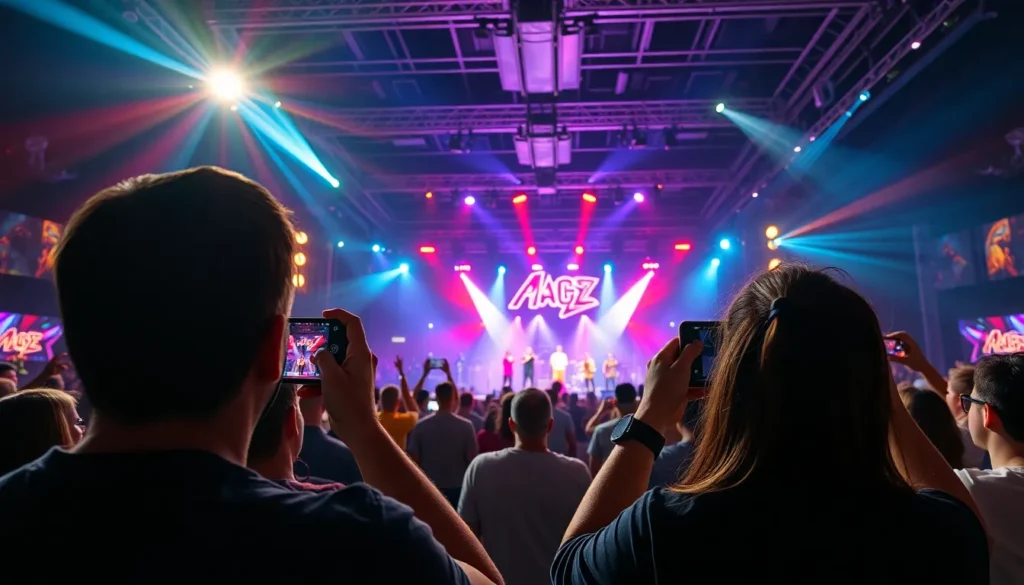
Various concert streaming platforms offer unique features and services that enhance the live music experience. Each platform caters to different audience preferences and technical specifications.
Platform Features
- YouTube Live: Delivers high-definition video quality and allows artists to monetize performances through Super Chats and memberships.
- Twitch: Focuses on community engagement with live chats, allowing viewers to interact with performers and each other during streams.
- Veeps: Prioritizes direct artist support and ticketed events, providing a straightforward payment system that benefits musicians.
- Facebook Live: Integrates social media elements, enabling artists to reach their followers easily while sharing behind-the-scenes content.
- DistroKid Live: Offers a unique feature where artists can stream live directly to their followers, promoting real-time interaction.
User Experience
- Video Quality: Most platforms provide high-definition video streaming options, ensuring a clear viewing experience for spectators.
- Interactivity: Features such as chat rooms or Q&A sessions create opportunities for real-time engagement, enhancing viewer participation.
- Accessibility: Users can access performances from any location, breaking traditional barriers associated with attending live events.
- Mobile Compatibility: Many platforms optimize their service for mobile devices, allowing users to watch concerts on-the-go.
- Personalization: Some platforms track user preferences, recommending concerts based on viewing history and liked genres.
Benefits of Concert Streaming Services
Concert streaming services offer significant benefits, enhancing how fans experience live performances from anywhere.
Accessibility and Convenience
Accessibility remains a primary advantage of concert streaming services. Music lovers in remote locations or those unable to travel can enjoy live performances without geographical constraints. Concert streaming platforms cater to individuals by offering flexible viewing options, allowing fans to attend shows from the comfort of home. Choices include watching on various devices, such as smartphones, tablets, and smart TVs, ensuring a user-friendly experience. Additionally, ticket prices for digital events often reduce financial barriers, making concerts accessible to a broader audience.
Enhanced Viewing Experience
Enhanced viewing experience sets concert streaming services apart from traditional concerts. High-definition video quality delivers crisp visuals, while surround sound audio creates an immersive atmosphere. Many platforms allow users to customize their viewing perspective with multiple camera angles, providing a personalized feel. Interactive features, such as live chats and social media integrations, facilitate real-time engagement, allowing fans to connect with artists and other viewers. This level of interaction fosters a sense of community, enriching the overall concert experience and creating lasting memories for audiences.
Challenges Facing Concert Streaming Services
Concert streaming services face several challenges that affect their growth and user satisfaction. These challenges include technical limitations and complex licensing and copyright issues.
Technical Limitations
Technical limitations hinder the overall user experience for concert streaming services. Internet connectivity plays a crucial role; viewers with slow or unstable connections may encounter buffering and low-quality video. Device compatibility presents another issue, as not all devices support the necessary streaming technologies. Furthermore, latency can disrupt real-time interactions, diminishing the sense of immediacy that fans typically expect from live events. Many platforms also struggle with scalability, especially during high-traffic events when user demand peaks. These technical obstacles can frustrate users and reduce engagement rates during performances.
Licensing and Copyright Issues
Licensing and copyright issues pose significant challenges for concert streaming services. Obtaining rights from copyright holders, including songwriters, producers, and record labels, proves complicated and often expensive. Each track streamed typically requires separate licensing agreements, leading to delays and increased costs for service providers. Additionally, services must navigate various legal frameworks across different countries, complicating international streaming efforts. These hurdles limit the number of concerts that can be legally streamed, restricting options available to fans and impacting revenue potential for artists.
Future of Concert Streaming Services
The future of concert streaming services looks bright, with technology and audience preferences driving its evolution. Advances in virtual reality (VR) and augmented reality (AR) could enhance viewer experiences, immersing fans in lifelike performances and allowing them to “attend” concerts from their homes. Many platforms are exploring these technologies to create interactive environments that provide a unique sense of presence.
Emerging trends indicate a growing trend towards hybrid events. Hybrid events combine live in-person performances with virtual attendance options, catering to a broader audience while maximizing revenue potential. Notably, artists can reach local fans in the venue while simultaneously engaging with international audiences through live-streaming services. This model promotes flexibility for both artists and fans, encouraging participation from various geographical locations.
Subscription models are also predicted to evolve. Some services may shift towards tiered subscription plans, providing fans with exclusive content and perks for higher subscription levels. Such options could enhance user engagement and support artists financially through consistent revenue streams.
Additionally, analytics-driven personalization will play a crucial role in enhancing user experience. Platforms that leverage data to tailor concert recommendations and notifications can improve viewer satisfaction. By analyzing user behavior and preferences, streaming services can create targeted marketing strategies that promote relevant events to fans.
Collaborations between streaming platforms and traditional media companies may also reshape the market landscape. These partnerships can enhance promotional efforts for live events while expanding viewership through established media channels. Integrating concert streams into popular social media platforms could provide increased exposure for artists and streamline the viewer experience.
Overall, the concert streaming industry is poised for continued growth, driven by technological advancements and evolving audience expectations. The confluence of these factors ensures that concert streaming services will remain a central component of the live music experience for years to come.