





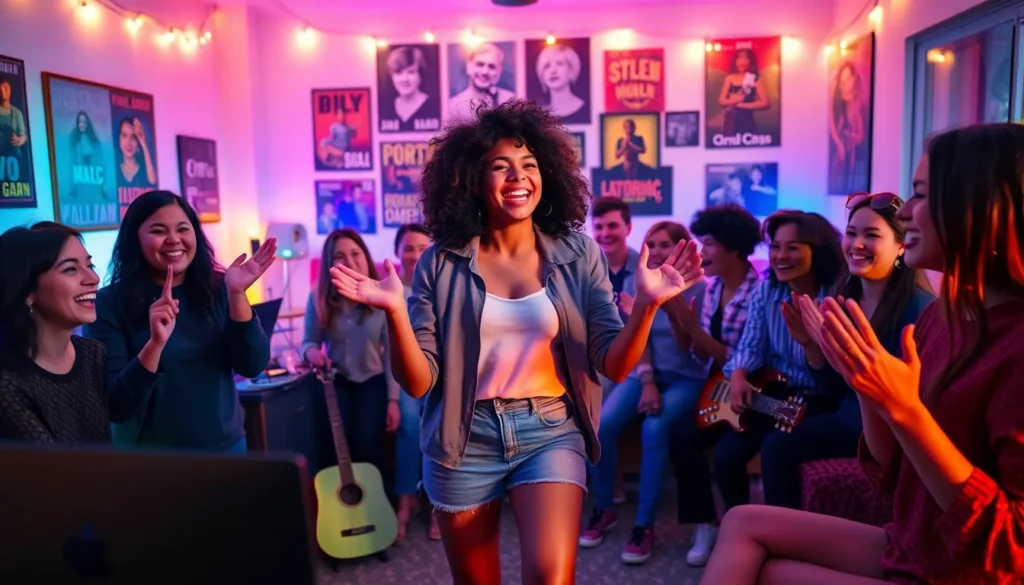
In a world where music transcends boundaries, live music broadcasts have emerged as a game-changer for artists and fans alike. These virtual performances bring the energy of live shows right into people’s homes, creating an intimate experience that traditional concerts can’t always replicate. With the rise of technology and social media, musicians now have the power to reach global audiences instantaneously.
As audiences crave authentic connections, live music broadcasts offer a unique platform for artists to engage with their fans in real-time. Whether it’s a surprise performance or a scheduled event, these broadcasts allow for spontaneity and creativity, making each show a memorable experience. The fusion of music and technology not only enhances accessibility but also redefines how fans experience their favorite artists.
Overview of Live Music Broadcast
Live music broadcasts play a pivotal role in the current landscape of the music industry. They provide an innovative platform for artists to connect intimately with audiences, transcending geographical barriers. Through these broadcasts, musicians present live performances that capture genuine emotions, allowing fans to engage in real-time.
Technology remains a crucial enabler of live music broadcasts. Streaming platforms like Facebook Live, YouTube, and Twitch facilitate seamless access for millions of viewers. These platforms support high-definition visuals and clear audio, enhancing the overall experience. Additionally, social media integration amplifies reach, allowing artists to promote events and engage with fans pre- and post-performance.
Importantly, live music broadcasts encourage spontaneous creativity. Musicians often experiment with setlists, styles, and formats, providing unique experiences with each performance. This spontaneity fosters a sense of community among fans, who connect over shared experiences in a way that traditional concerts may not offer.
Live music broadcasts also redefine artist-fan interactions. They create opportunities for real-time feedback through comments or chats, maintaining engagement throughout the performance. This two-way communication builds loyalty and enhances the sense of connection between artists and their fans.
Overall, live music broadcasts enhance accessibility. Fans who may not attend physical concerts can participate in these events, promoting inclusivity within the music community. The transformative effect of live music broadcasts continues to shape the industry, providing new avenues for artistic expression and audience engagement.
Benefits of Live Music Broadcast
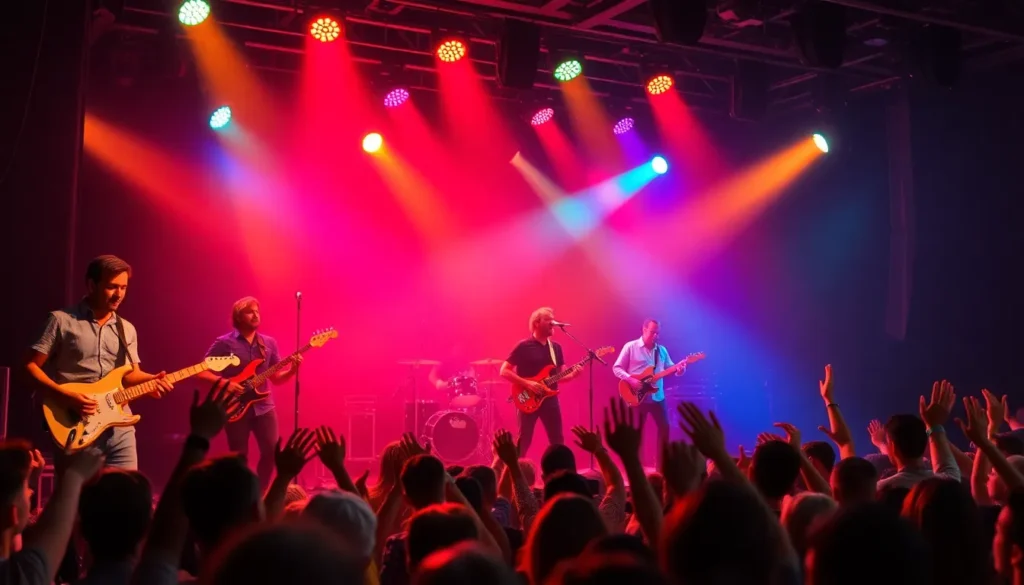
Live music broadcasts offer a multitude of advantages for both audiences and artists. These performances create unforgettable experiences and foster deeper connections, transforming the music landscape.
Accessibility for Audiences
Accessibility expands significantly through live music broadcasts. Fans from various locations can attend performances online, eliminating barriers such as travel costs and venue limitations. Interactive features allow viewers to engage with artists in real-time. With platforms like YouTube Live and Facebook Live, viewers enjoy high-quality visuals and audio, enhancing the overall experience. This inclusivity enables fans unable to attend traditional concerts to participate, broadening their engagement with favorite artists.
Opportunities for Artists
Opportunities for artists thrive in the realm of live music broadcasts. Artists gain access to diverse global audiences, increasing their reach beyond local shows. Direct feedback from viewers during performances fosters creativity and encourages experimentation with new material. Streaming performances also attract sponsorships and partnerships, generating additional revenue streams. By utilizing social media integration, artists can promote their broadcasts and build an engaged following, strengthening their brand presence. This innovative platform allows musicians to showcase authenticity while maintaining meaningful connections with their fans.
Technology Behind Live Music Broadcast
Technology plays a crucial role in delivering live music broadcasts, enhancing both artist interaction and audience engagement. Key components like streaming platforms and high-quality equipment form the backbone of these virtual performances.
Streaming Platforms
Streaming platforms serve as vital conduits for live music broadcasts. Platforms like Facebook Live, YouTube, and Twitch enable musicians to reach extensive audiences across the globe. Each platform offers unique features that cater to different audience needs. For instance, Twitch specializes in providing interactive features such as chat options, allowing real-time audience interaction. YouTube excels in its vast reach and video quality, supporting high-definition streaming. Additionally, Facebook Live integrates seamlessly with user networks, providing artists instant access to their follower base. By leveraging these platforms, artists amplify their visibility while fostering deeper connections with their fans.
Audio and Video Equipment
Audio and video equipment significantly influence the quality of live music broadcasts. High-definition cameras capture vivid visuals while professional audio gear ensures crisp sound quality. Many artists utilize equipment like condenser microphones for clear vocals and audio interfaces for seamless integration with streaming software. Video switchers allow for dynamic scene changes, enhancing viewer engagement throughout the performance. Moreover, lighting equipment can elevate the visual experience, creating an immersive atmosphere that resonates with the audience. Investing in quality gear not only improves the broadcast experience but also reflects an artist’s professionalism, cultivating a more dedicated fan base.
Impact on the Music Industry
Live music broadcasts significantly transform the music industry’s dynamics. These virtual performances reshape revenue models and audience engagement strategies, creating new opportunities for artists and fans alike.
Changes in Revenue Models
Revenue models for artists evolve as live music broadcasts flourish. Direct-to-fan sales, ticketed streams, and virtual merchandise sales enhance income potential. Many artists monetize performances through platforms like Patreon or Bandcamp, where fans contribute financially for exclusive content. Additionally, sponsorship and advertising partnerships become more prevalent, generating revenue without relying solely on traditional concert ticket sales. This diversified approach not only stabilizes income but also fosters a closer connection between artists and their audiences.
Audience Engagement Strategies
Audience engagement strategies undergo significant enhancement through live music broadcasts. Real-time chat functions, polls, and Q&A sessions create interactive experiences, encouraging deeper artist-fan connections. Artists employ social media to promote broadcasts, engaging fans with teasers and behind-the-scenes content. Many utilize storytelling during performances, creating narratives that resonate with listeners. By leveraging engagement tactics, artists captivate audiences and cultivate loyal communities around their music, ultimately increasing fan retention and participation in future events.
Future Trends in Live Music Broadcast
Emerging trends in live music broadcasts are set to redefine the industry as artists and fans adapt to new technologies. Incorporating augmented reality (AR) and virtual reality (VR) enhances audience immersion, allowing viewers to engage in unique, multi-dimensional experiences. As AR and VR technologies evolve, live performances may transport fans closer to artists and create dynamic environments that transcend traditional viewing.
Utilizing artificial intelligence (AI) will further customize viewer experiences. AI can analyze viewer preferences and seamlessly recommend performances tailored to individual tastes. This targeted approach enhances audience satisfaction and increases viewer retention during live broadcasts.
Exploring blockchain technology also presents new opportunities for artists. By using blockchain for ticket sales and merchandise, artists secure fair revenue distribution and enhance transparency. Smart contracts could facilitate new revenue models, ensuring artists receive appropriate compensation while reducing fraud.
As audiences demand higher quality content, 8K streaming and immersive audio will gain traction. These advancements offer superior video and sound quality, providing a more engaging experience for viewers. Artists will invest in high-end equipment to meet these expectations, enhancing their professional image and attracting larger audiences.
Collaborative performances across multiple platforms are expected to rise. Artists may partner with brands or other musicians, expanding their reach and creating unique events. These collaborations can boost visibility and draw new fans to artists’ streams while fostering a sense of community among different audiences.
Engaging with fan communities will also evolve through live broadcasts. User-generated content during streams encourages greater interaction, as fans share their experiences and reactions in real-time. This participatory culture strengthens relationships and increases loyalty among fans, resulting in a more dedicated following.
Investing in interactive technology will expand audience participation. Features like gamification, live voting, and virtual meet-and-greets will create more engaging experiences. These interactive elements invite fans to be part of performances, enhancing their connection with artists and making events feel more personal.
Monitoring these future trends will provide insights into the directions of live music broadcasts. As technology continues to advance, artists and fans alike can expect increasingly engaging and immersive experiences that reinforce the significance of connection and creativity in the evolving music landscape.
Live music broadcasts are revolutionizing the way fans experience music and connect with their favorite artists. By breaking down geographical barriers and fostering real-time interactions, these broadcasts create a sense of community that traditional performances often lack.
As technology continues to evolve, artists are poised to explore even more innovative ways to engage their audiences. The integration of augmented reality, virtual reality, and artificial intelligence will likely enhance the immersive experience for viewers, making each performance unique.
With the growing importance of interactive features and high-quality production, the future of live music broadcasts promises to redefine the music landscape. This transformation not only benefits artists but also enriches the fan experience, ensuring that live music remains a vibrant and essential part of cultural life.